


One school, one day, measured properly
In November 2025 we ran our first Systems Thinking Workshop with 84 senior secondary students at Blessed Assurance College, Lagos. Teachers assessed those students before the workshop and again ninety days after it.
51% → 72%
Teacher-rated systems-thinking capability
A 21 percentage-point increase
11
Teachers assessed
Baseline and follow-up
90
Days after the workshop
When the follow-up was measured
84
Students in the pilot
SS1–SS3
The method, in full
Teacher-rated systems-thinking capability rose from 51% to 72% — a 21 percentage-point increase.
- Who assessed
- 11 teachers at Blessed Assurance College.
- When
- Baseline two weeks before the workshop; follow-up observation ninety days after it.
- What was measured
- Ten systems-thinking capability indicators, on five-point scales, across both questionnaires.
- Baseline questions
- Connecting parts of a problem, curiosity, considering consequences, cross-subject connections, real-world application, initiative, openness to reflection, identifying root causes.
- Follow-up questions
- Application to academic challenges, real-life application, critical and reflective thinking, recognising interdependencies, breaking problems into parts, decision-making and foresight, and continued use of systems-thinking language — followed by qualitative questions.
What this evidence is not
Four things teachers observed
Causal reasoning
Students identify how one action influences another, rather than viewing issues in isolation.
Cross-subject connection
Ideas travel between subjects instead of staying inside the lesson they were taught in.
Real-world application
Classroom topics get related to homes, streets and communities.
Confidence
Teachers reported students becoming more proactive and more open to growth.
The teachers who watched it happen
Students now apply systems thinking principles to understand challenges or issues within their domain. They even use real-life experiences to explain these concepts based on what they see and hear, turning their surroundings into a practical learning experience. Other schools need this approach because our students were able to demonstrate higher levels of critical and reflective thinking. You are doing a fantastic job. Keep it up!
Ninety days later
From memorising to making connections
Mr. Martins, an Agricultural Science and Livestock Farming teacher, watched his students stop accepting information at face value. In one lesson, groups explaining why the environment matters to human survival discussed the relationships between human actions, the environment and community outcomes rather than giving isolated answers. “Each student showed causal thinking,” he observed. Asked whether he would recommend the workshop to other schools, he gave the highest possible rating: “Definitely yes.”
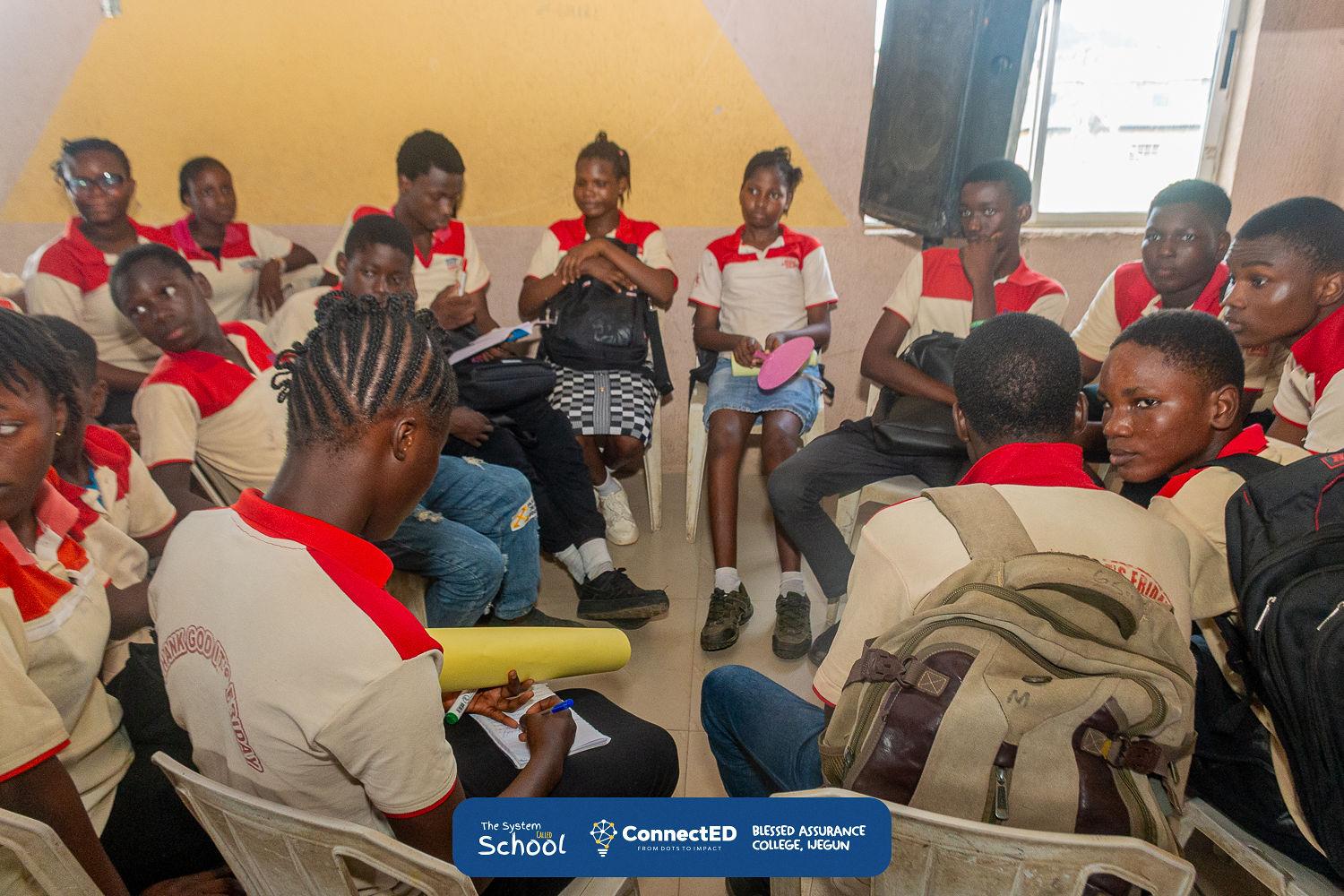
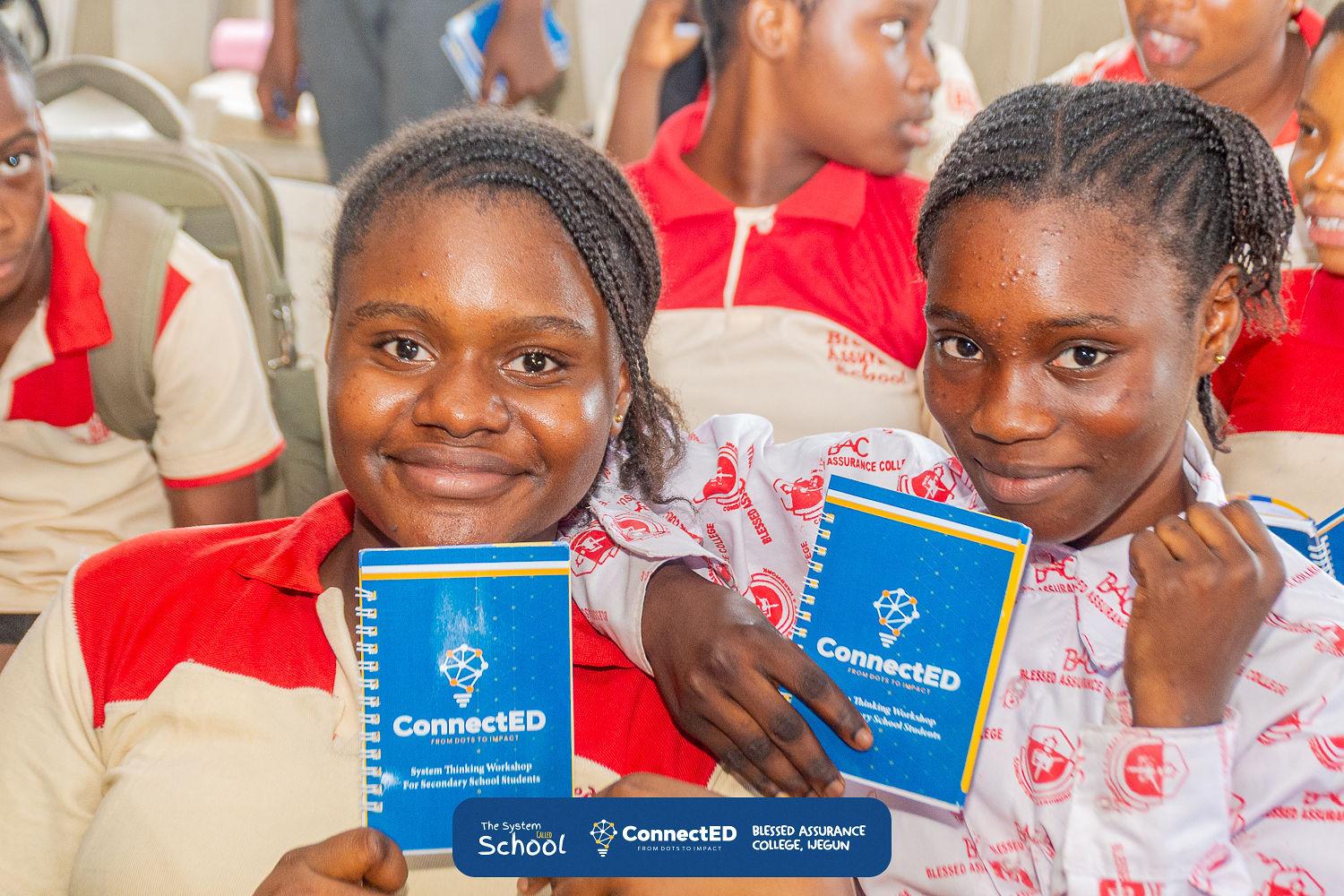
What the day looked like
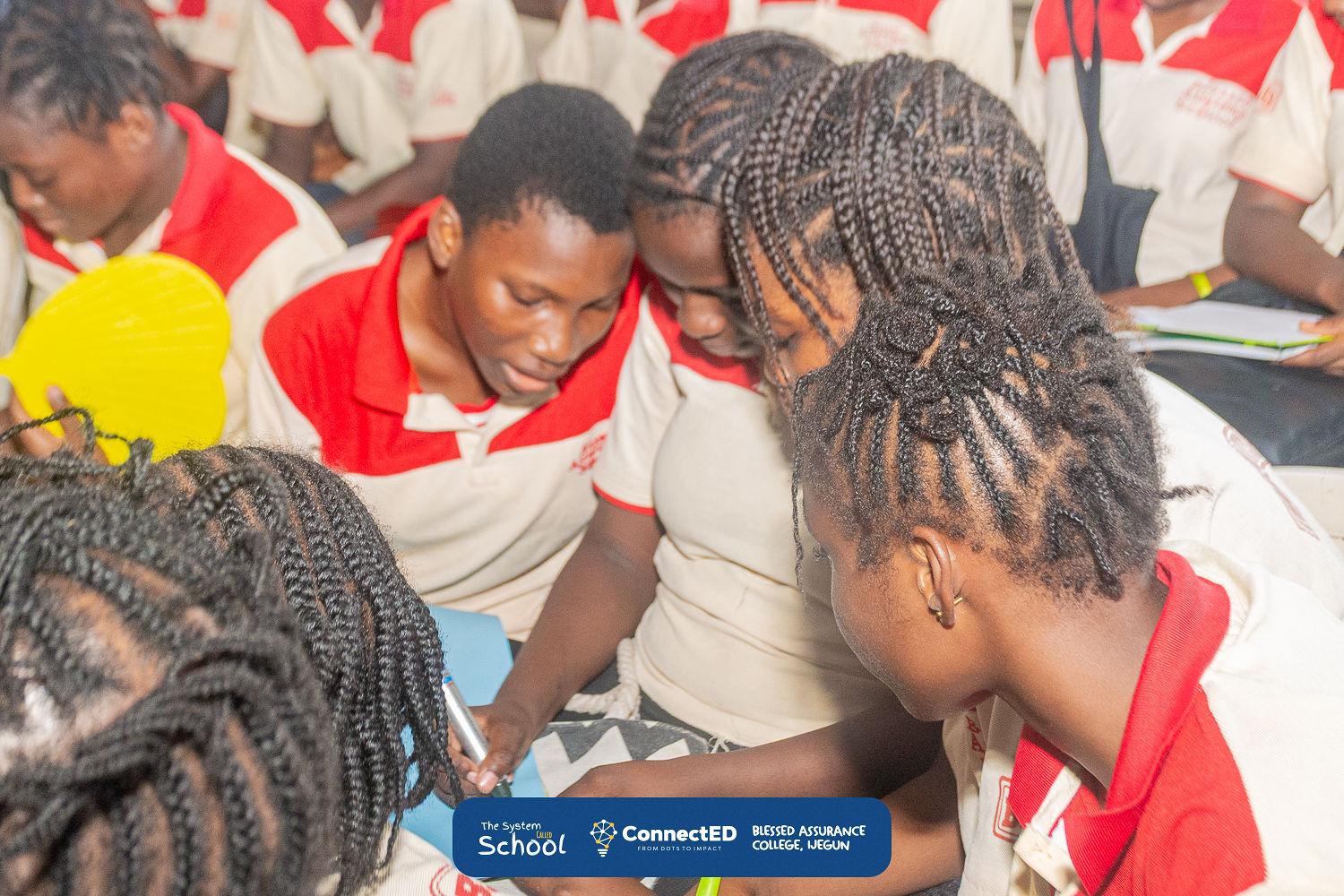
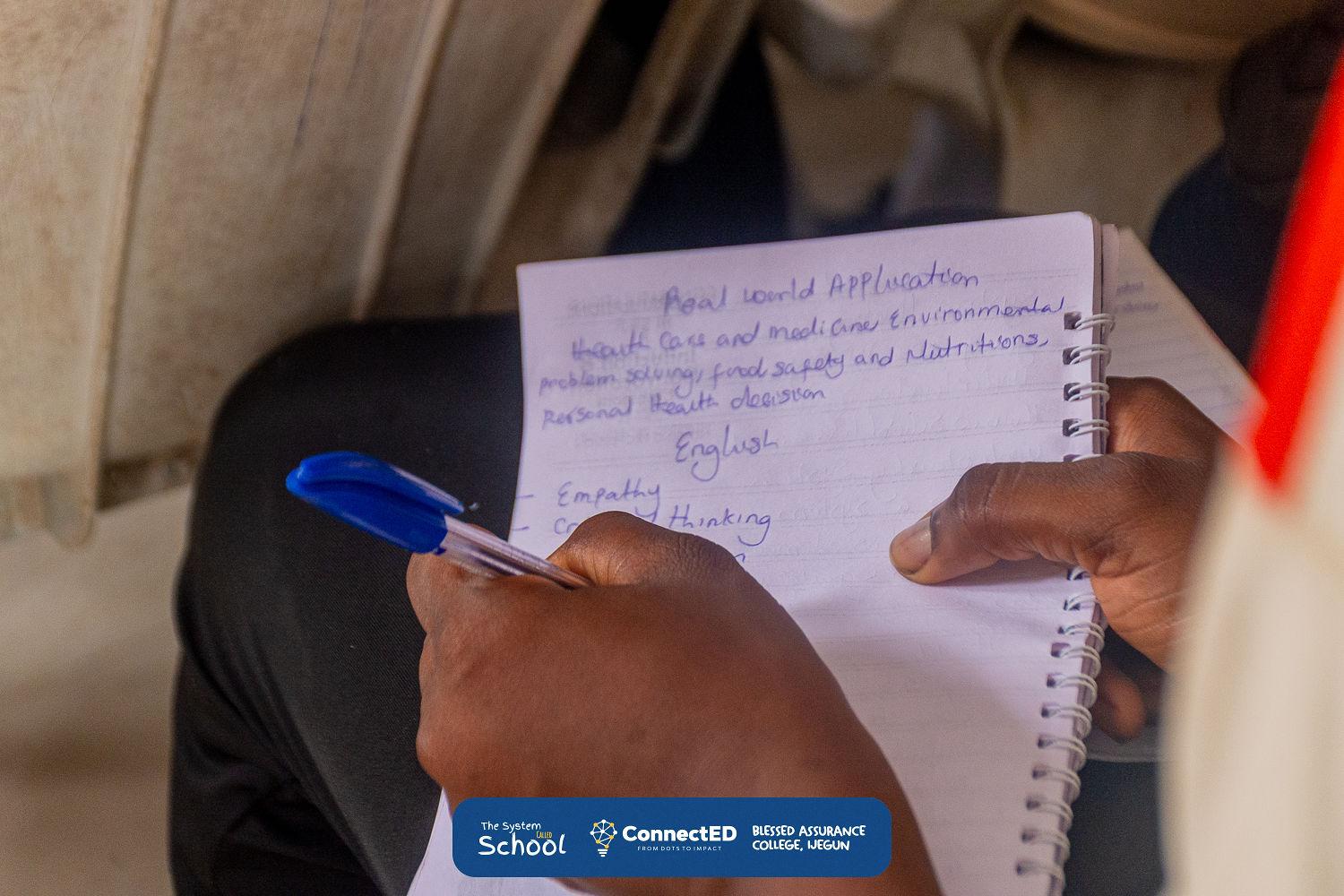
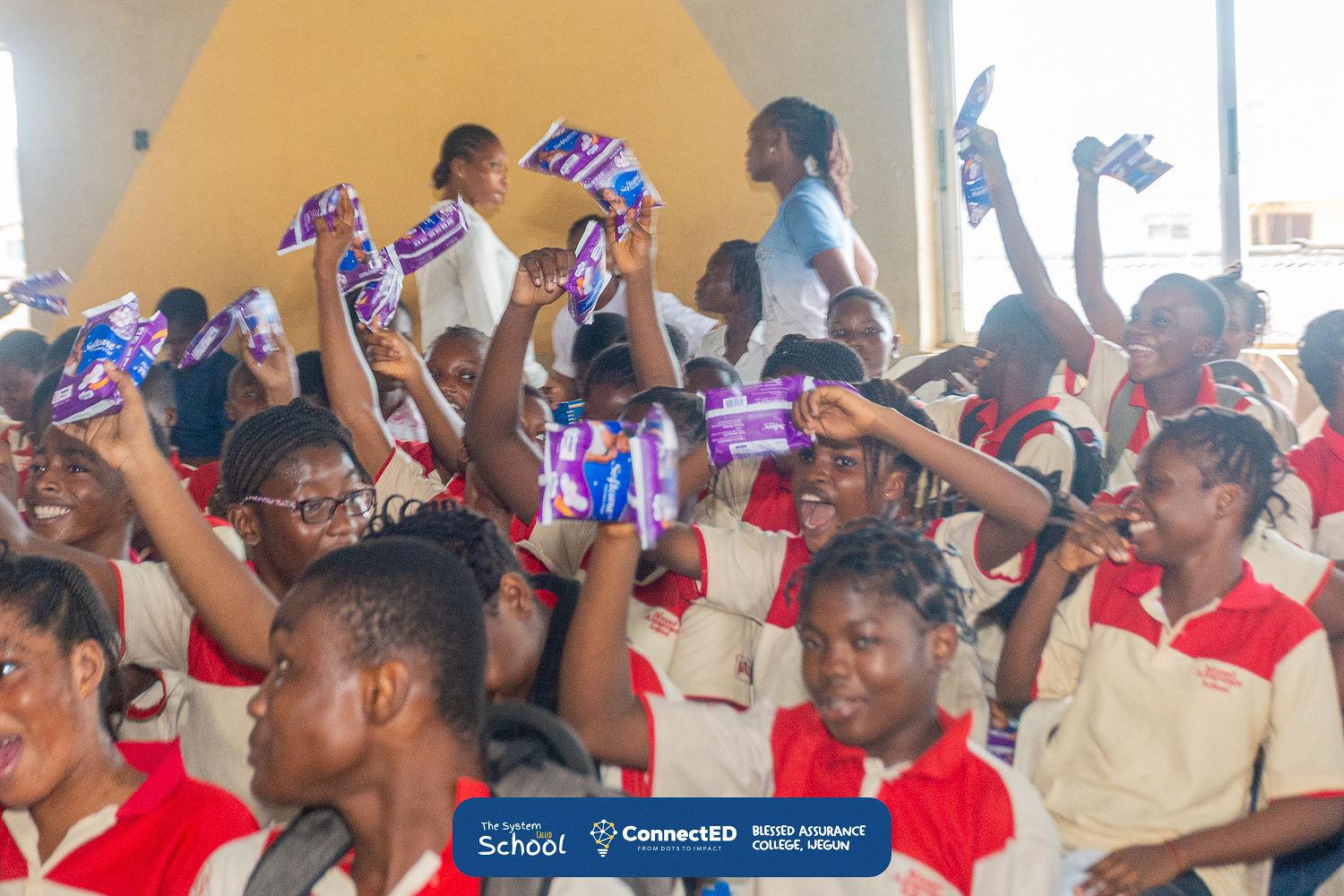
The evidence, to read or to circulate
Everything below is what we would send a funding committee — including what does not exist yet, said plainly.
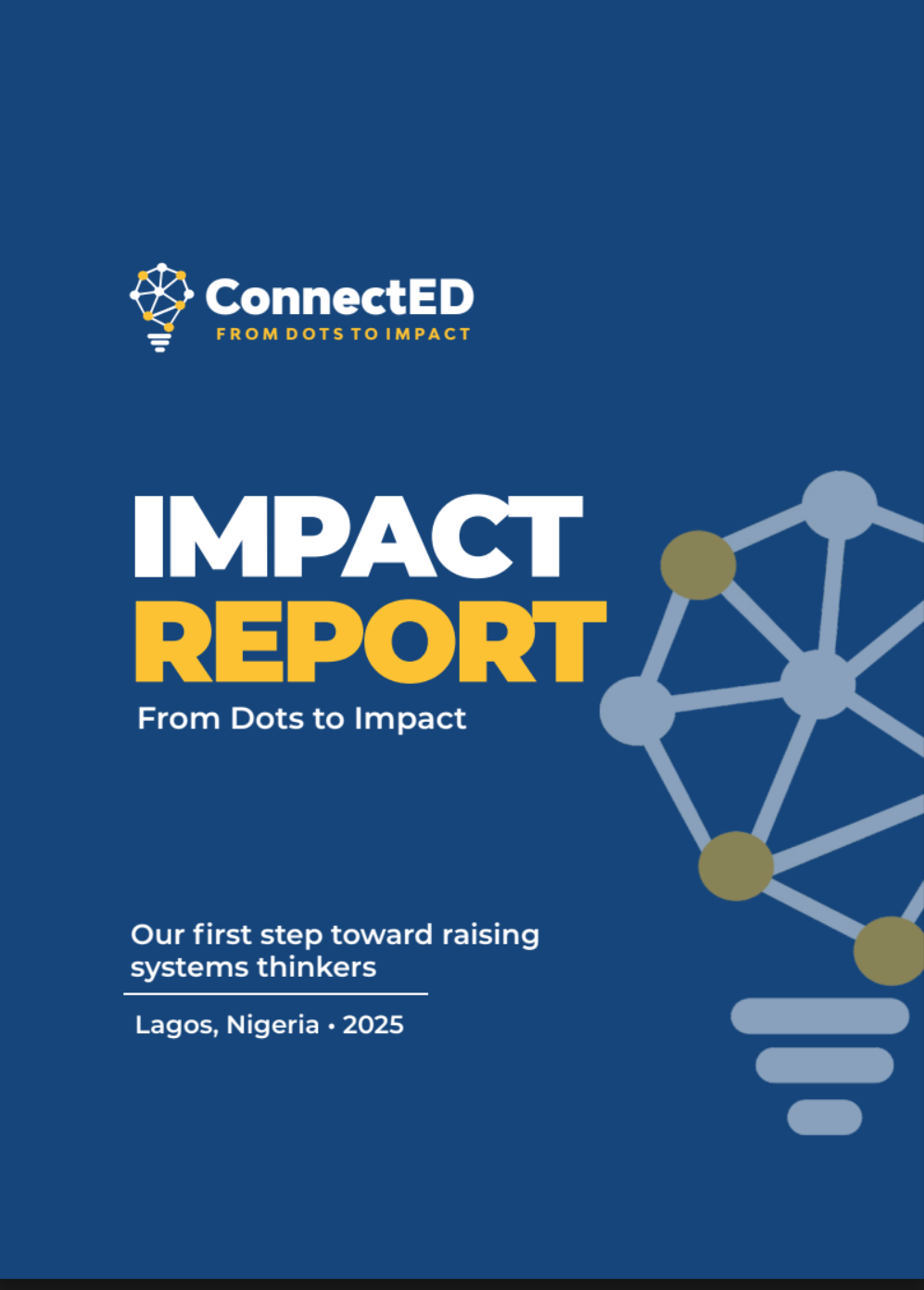
The designed report
The same evidence as this page — the result, the method behind it and the limitation we publish alongside it — laid out for circulation to a board or a funding committee.
The pilot evidence
The headline result, the method behind it, and the limitation we publish alongside it — on this page, in full.
Workshop overview
What the day contains: four modules, ten activities, and what each side provides.
Press kit
Logos, photographs from the pilot, and the facts as we publish them.
Waiting on photography from the next workshop. Ask us for it
What’s next
2026
250 students across roughly 20 schools, with a refined evaluation method. The General Workshop on 2 October brings twenty schools into one room; individual school workshops continue alongside it. We are tightening the instrument so the next set of numbers is directly comparable rather than conceptually mapped.
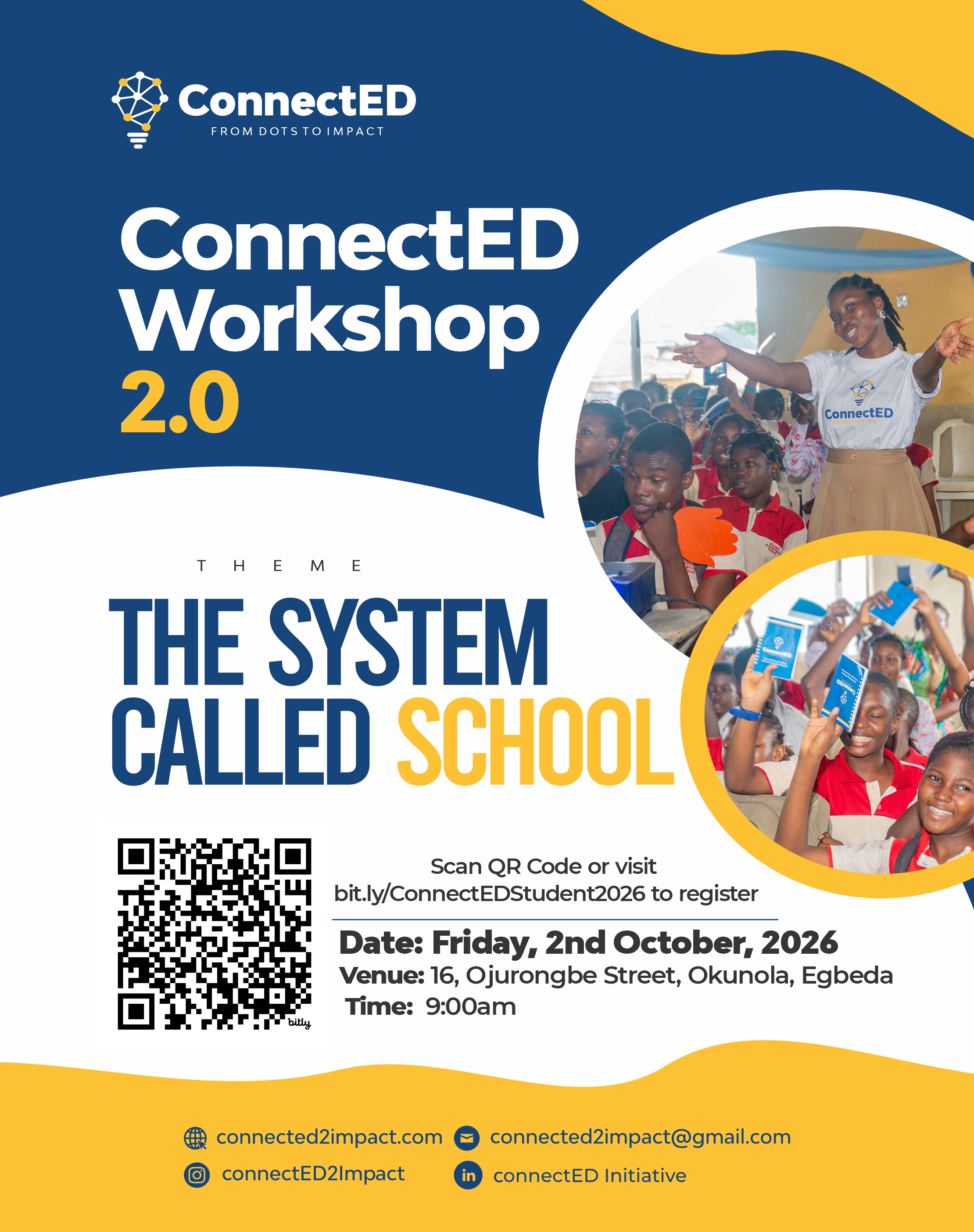
Fund the next 250 students
₦20,000 puts one student through a full workshop day. The workshop stays free to schools because sponsors and partners carry the cost.