
Ninety days after the workshop, an Agricultural Science teacher noticed his students had stopped accepting information at face value.
The context
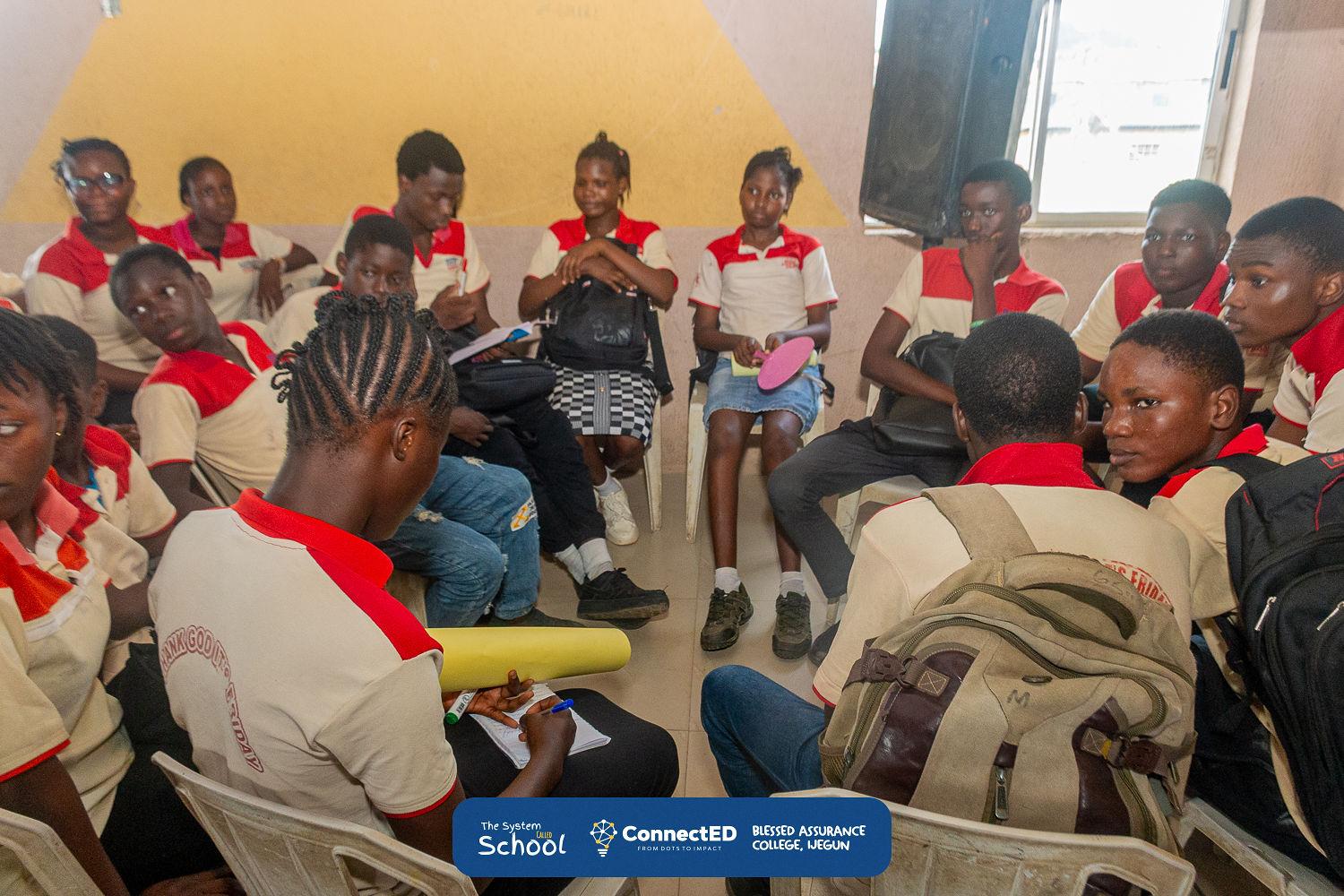
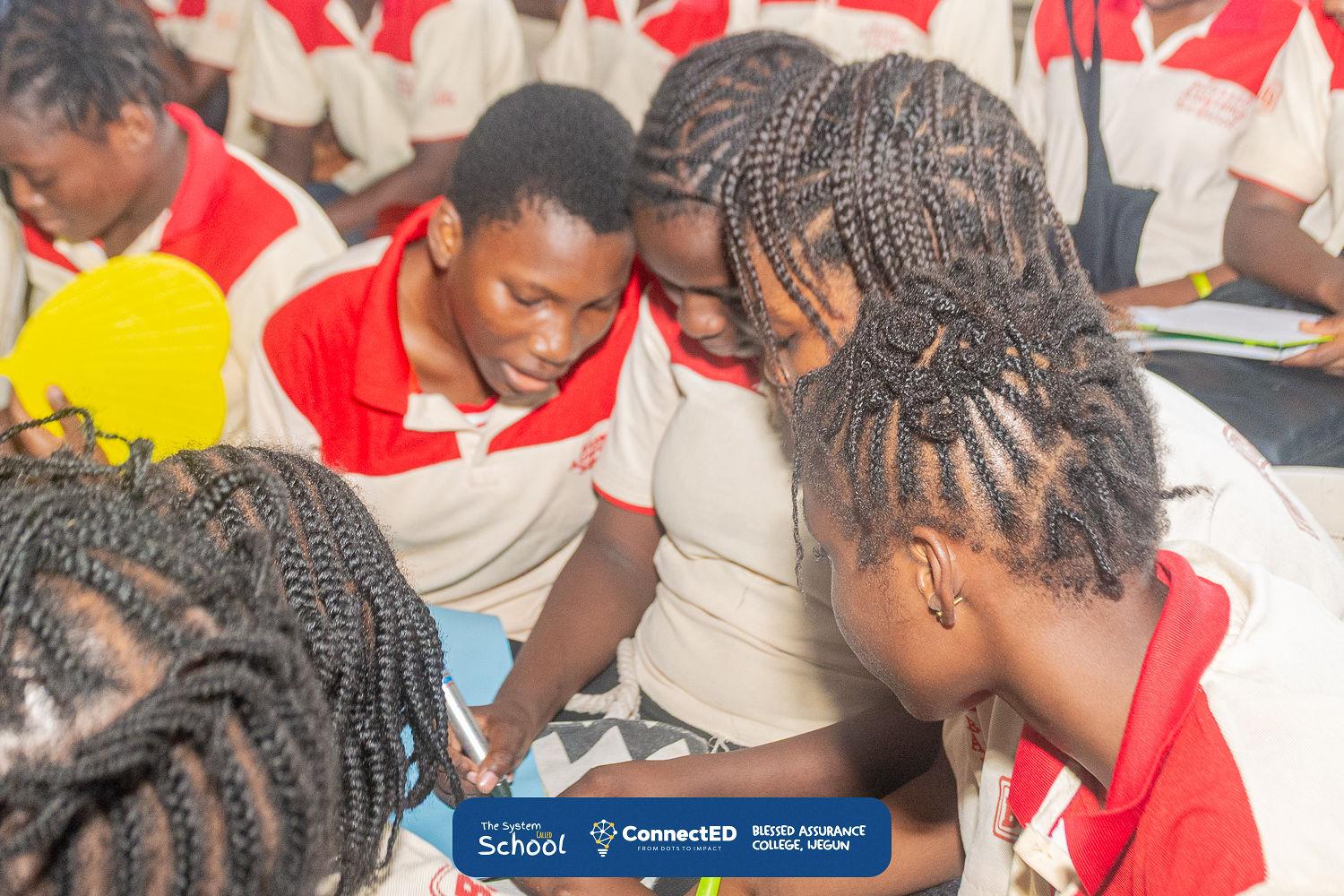
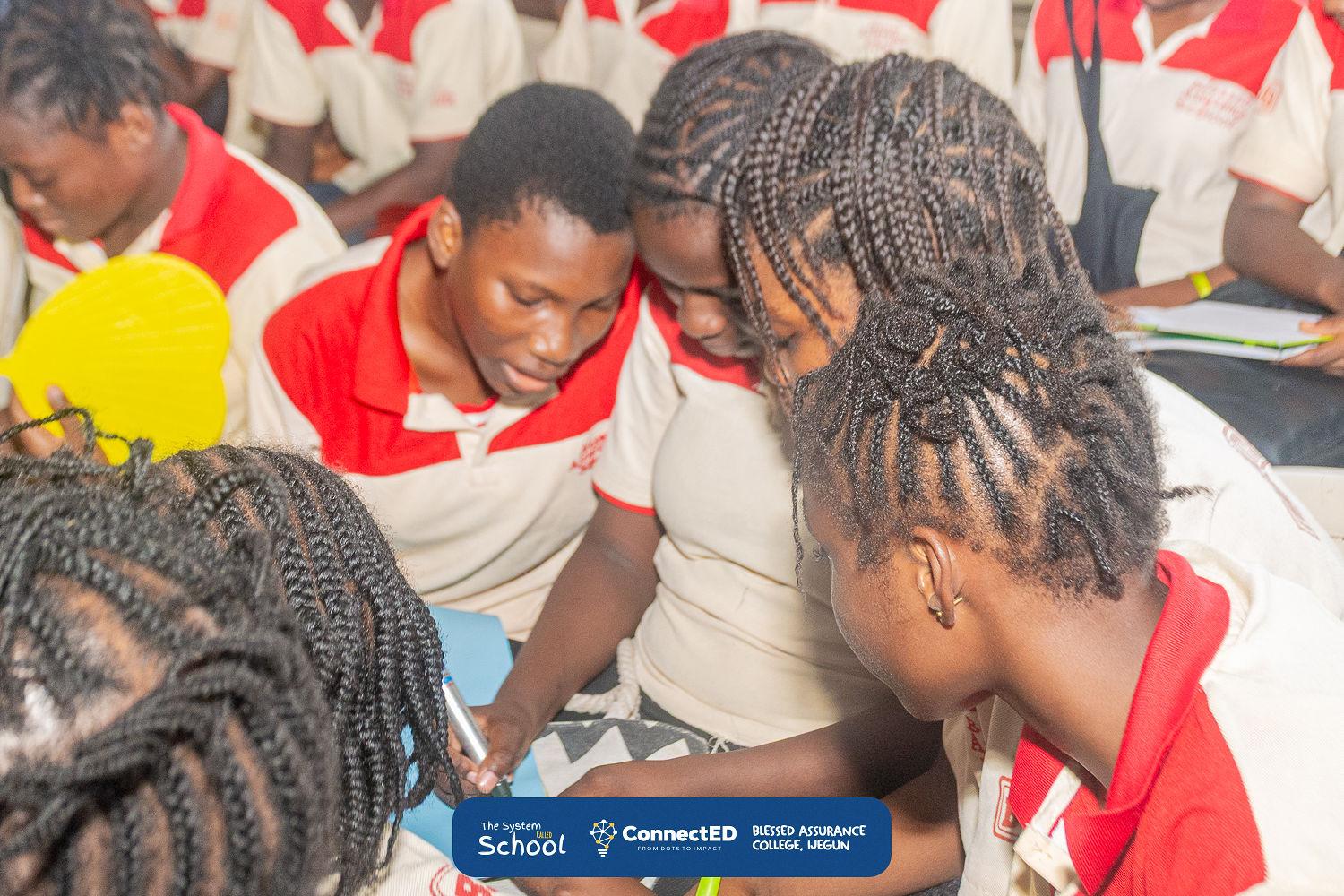
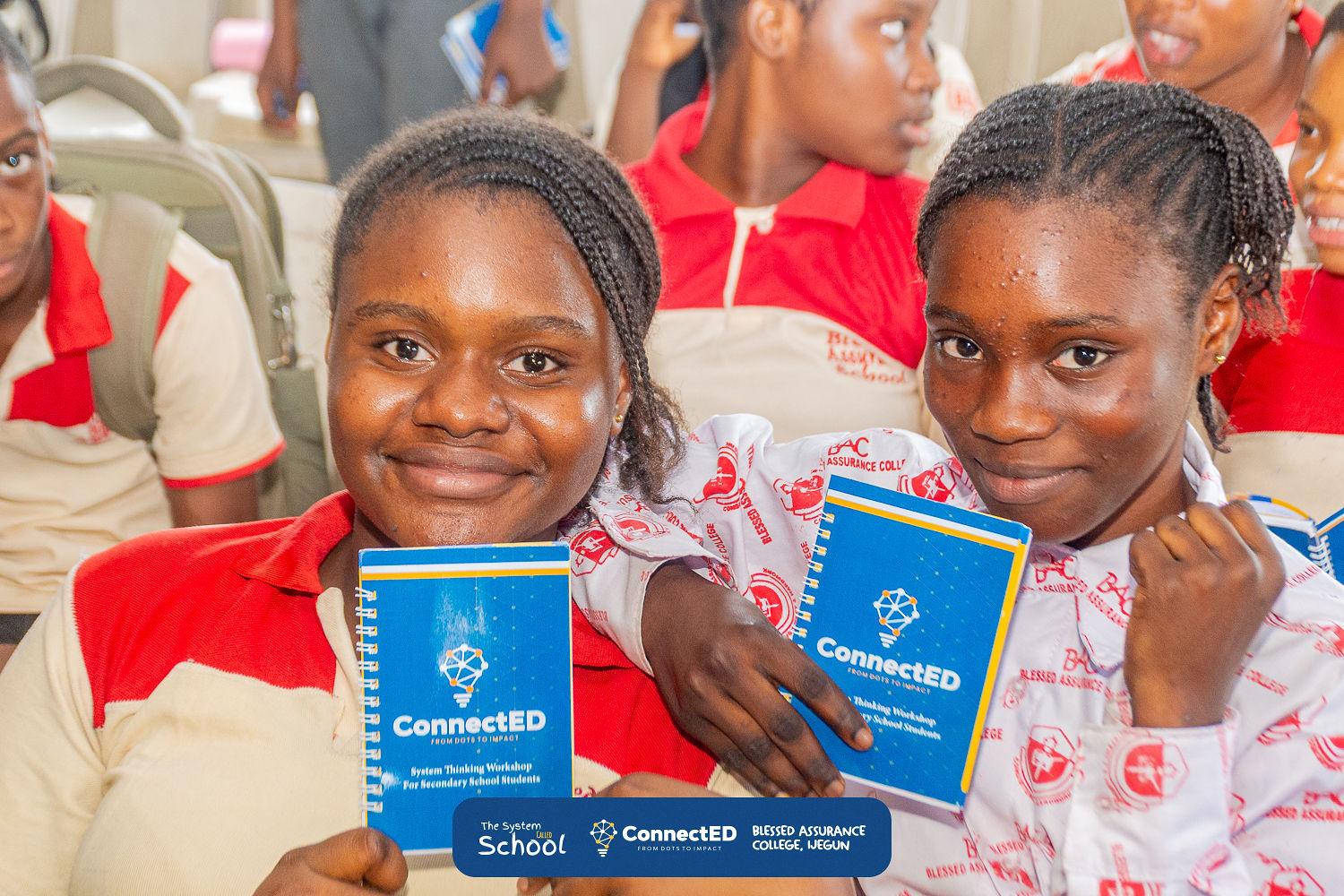
In November 2025 ConnectED ran its first Systems Thinking Workshop with 84 senior secondary students at Blessed Assurance College, Lagos. Four modules, ten activities, eight hours.
Mr. Martins teaches Agricultural Science and Livestock Farming. He was not looking for a change in his students. He noticed one anyway.
What he saw
Rather than accepting information at face value, his students had become more inquisitive — asking deeper questions and showing greater curiosity during classroom discussions.
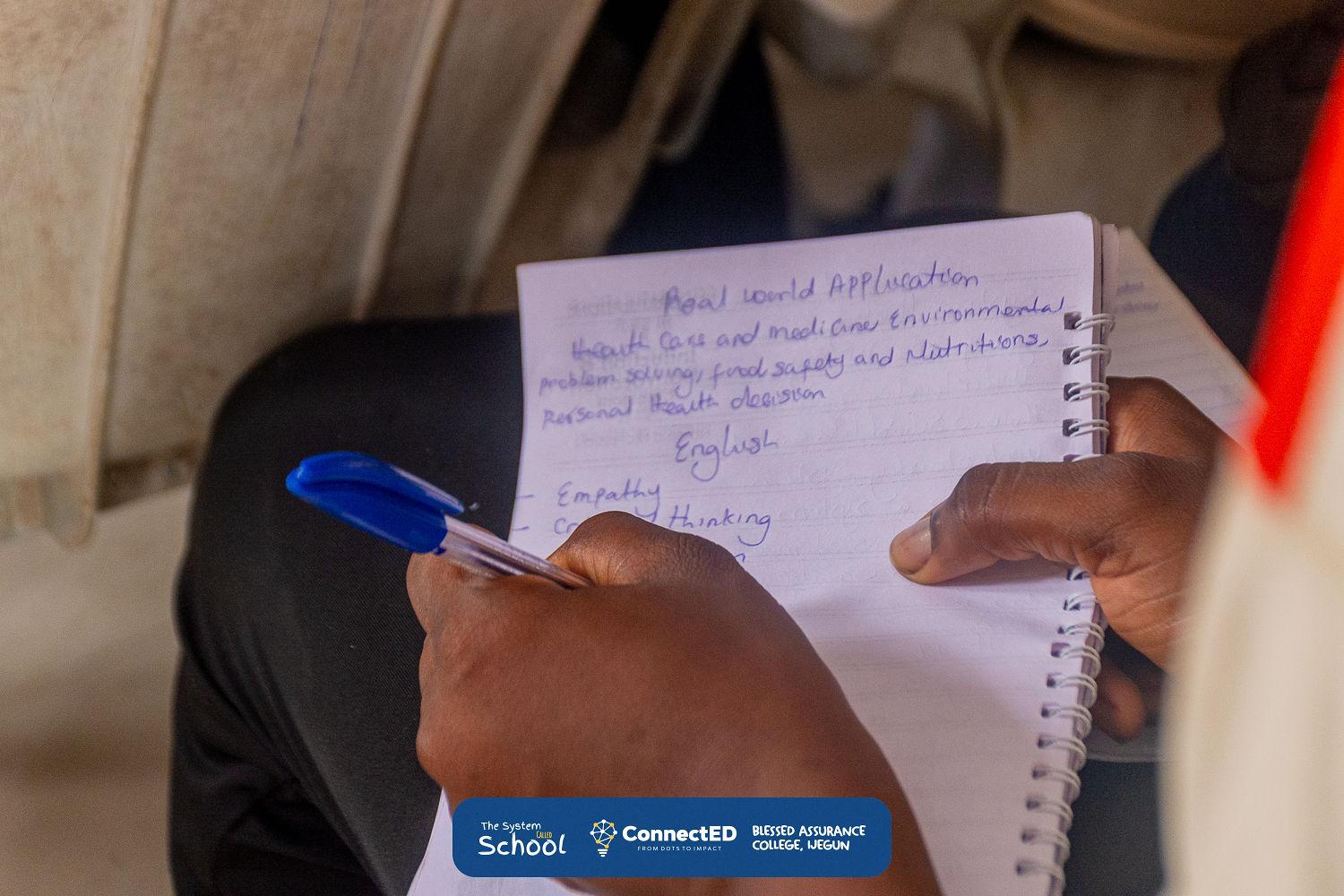
He recalled one lesson where students worked in groups to explain why the environment is essential for human survival. Instead of giving isolated answers, they discussed the relationships between human actions, the environment, and community outcomes. “Each student showed causal thinking,” he observed, demonstrating an ability to identify how one action could influence another rather than viewing issues in isolation.
It outlasted the day
Mr. Martins also noticed that students had begun using the language and habits of systems thinking beyond the workshop. They were connecting patterns, simplifying complex concepts into everyday language, and relating classroom topics to their homes and communities.
For him, this showed that the learning had extended beyond a single day — it was beginning to shape how students thought. Asked whether he would recommend the workshop to other schools, he gave the highest possible rating: “Definitely yes.”
Each student showed causal thinking — identifying how one action could influence another, rather than viewing issues in isolation.
90
Days after the workshop
84
Students in the pilot
51% → 72%
Teacher-rated capability
See how we measured it. The full methodology — who assessed, when, what was measured, and what this evidence cannot claim — is published in full on the impact page.