
The System Called School
Four interactive modules combining practical, participatory learning, group work, systems mapping, real-world scenarios, reflection and application. Eight hours. Free to schools.
- 1 day
- 8 hours
- 4 modules
- 10 activities
- SS1–SS3
- Free to schools
- One day
- Eight hours
- Four modules
- Ten activities
- SS1–SS3
- Senior secondary
- Free
- Funded by sponsors
Four modules, in order
Each one builds on the last: first what a system is, then the systems inside school subjects, then the ones in a student's own life, then the ones they will spend their careers in.
Understanding Systems
Students learn what systems are, recognise systems in everyday life, and map the school system by identifying its people, physical things, activities, rules/procedures and relationships.
Beyond the Grades
Students uncover the life skills embedded in academic subjects and work in groups to practise cross-disciplinary systems thinking using real-world problems and sustainability tracks (UN SDGs).
You as Part of the System
Students map systems in their own lives and explore leverage points for change, moving beyond symptoms towards causes, consequences and patterns to design systems-based solutions to problems.
Systems Thinking for Life
Students apply systems thinking to future planning and career exploration, and learn a practical systems-thinking toolkit for continued use.
How the day runs
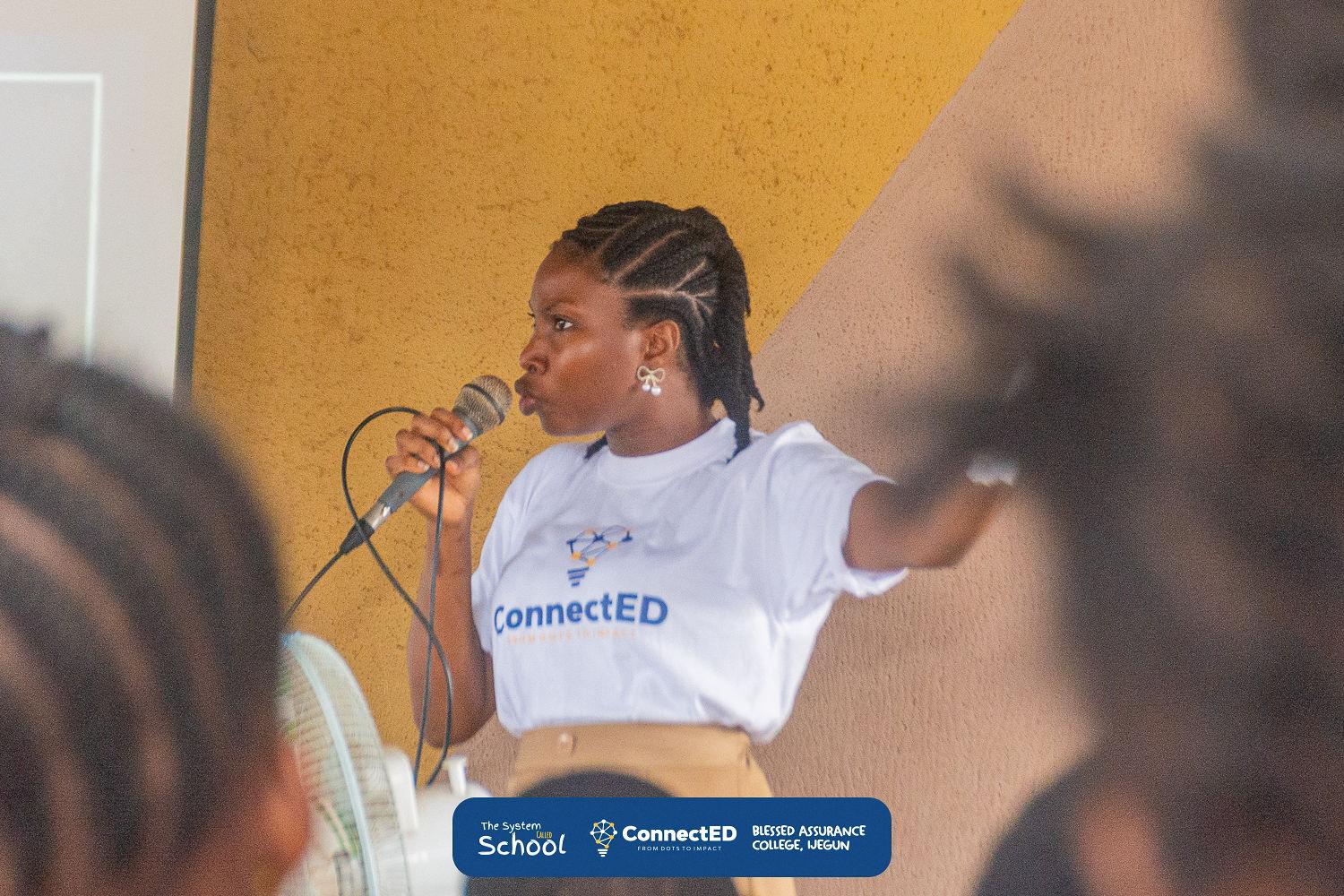
The order is fixed; the clock is set with your school. Most blocks end with teams presenting what they built to the rest of the hall.
Arrival, opening question, and what today is not
Module 1 — Understanding Systems
- System Building
- School System Mapping
Break
Module 2 — Beyond the Grades
- Hidden Skills Discovery
- The Real-World Bridge
- “Can You Connect?”
Module 3 — You as Part of the System
- Personal Systems Mapping
Lunch
Module 3 continued — the hero stations
- School Hero Station
- Community Hero Station
- The Sustainability Challenge
Module 4 — Systems Thinking for Life
- Career System Mapping
- The systems-thinking toolkit
Team presentations, certificates, and close
Almost no lecturing
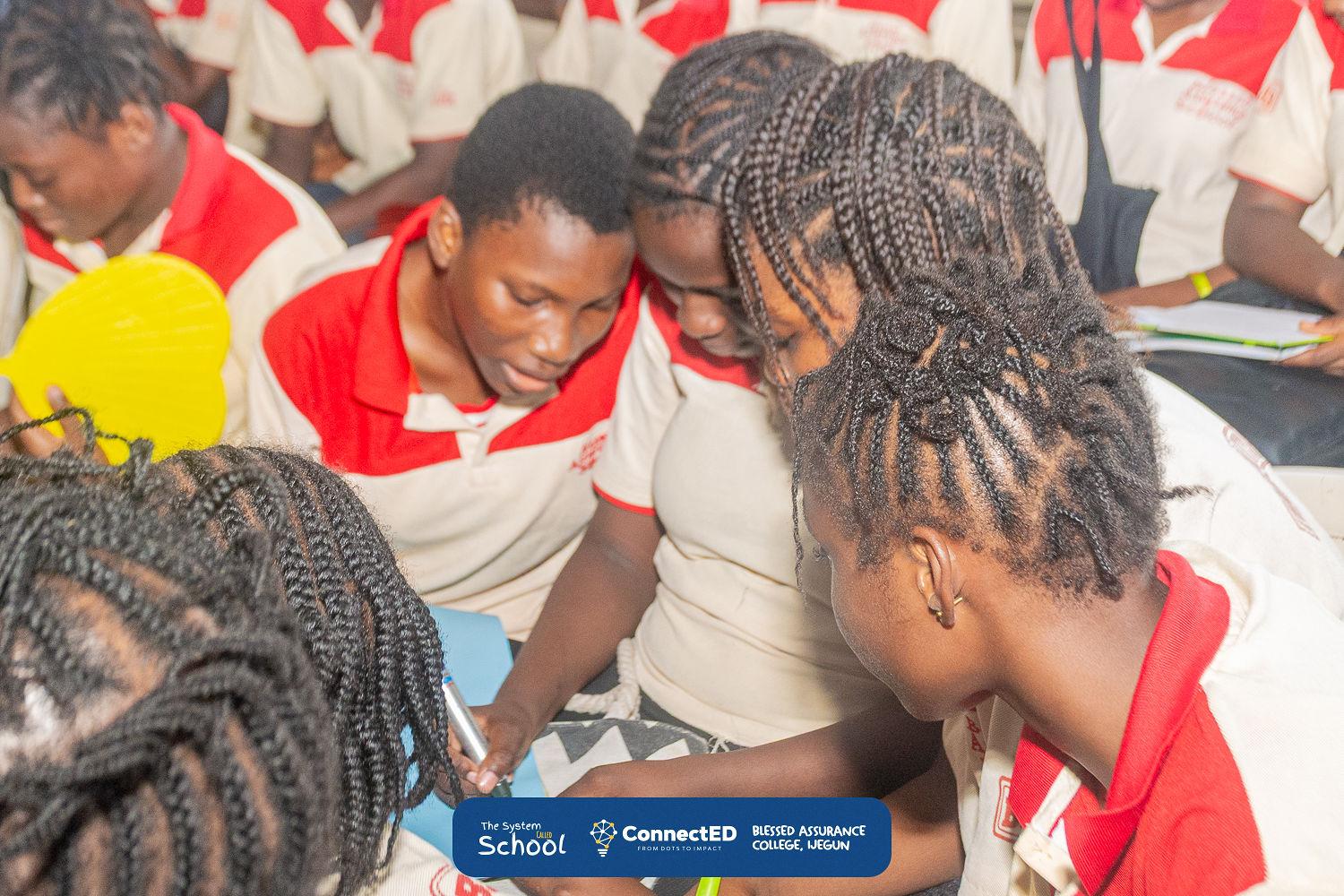
Students build, map, argue and present. Here is what they physically do.
01
System Building
Students recognise interlocking systems in everyday life and collaborate to build a dynamic “human machine.”
02
School System Mapping
Students identify key elements within their school — people, physical environments, activities and rules — to map the invisible relationships between them.
03
Hidden Skills Discovery
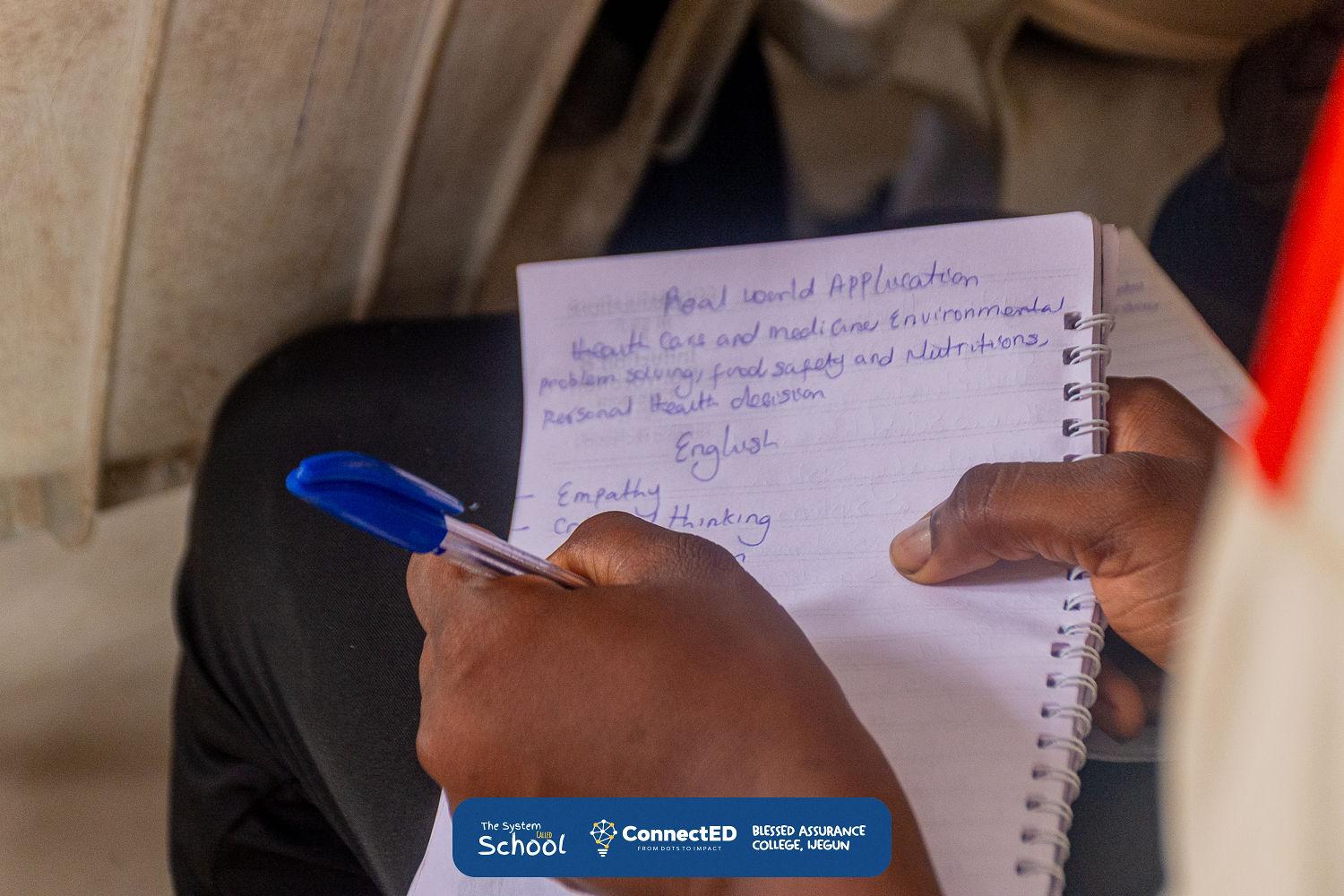
Students uncover critical life skills embedded in core subjects like Geography, Biology, Commerce, Literature, Mathematics, Accounting and Government, linking them to practical real-world applications.
04
The Real-World Bridge
Students apply transferable skills in real time — turning lab reports into business proposals, debates into negotiations, and research assignments into workplace problem-solving.
05
“Can You Connect?”
An interactive challenge where students match life-skill cards to academic subjects and pitch the underlying connections.
06
Personal Systems Mapping
Students audit the systems driving their personal lives and families to identify high-leverage points for positive, lasting change.
07
School Hero Station
Teams dissect a localised academic problem, such as systemic maths failure, by analysing root causes, stakeholders and reinforcing feedback loops before designing a systems-based solution.
08
Community Hero Station
Teams tackle a broader societal challenge like unemployment, mapping systemic bottlenecks and diverse perspectives to engineer sustainable, community-wide solutions.
09
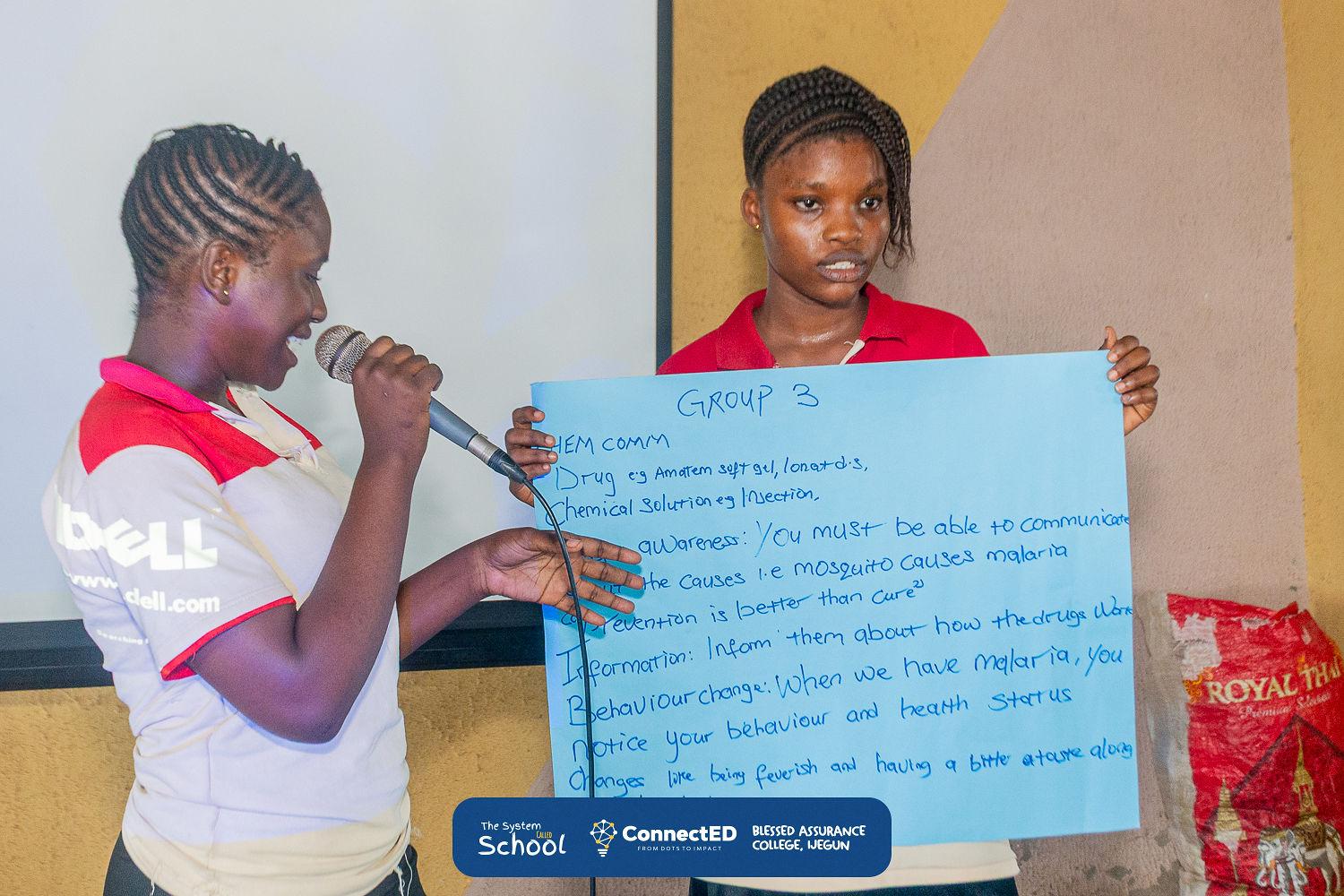
The Sustainability Challenge
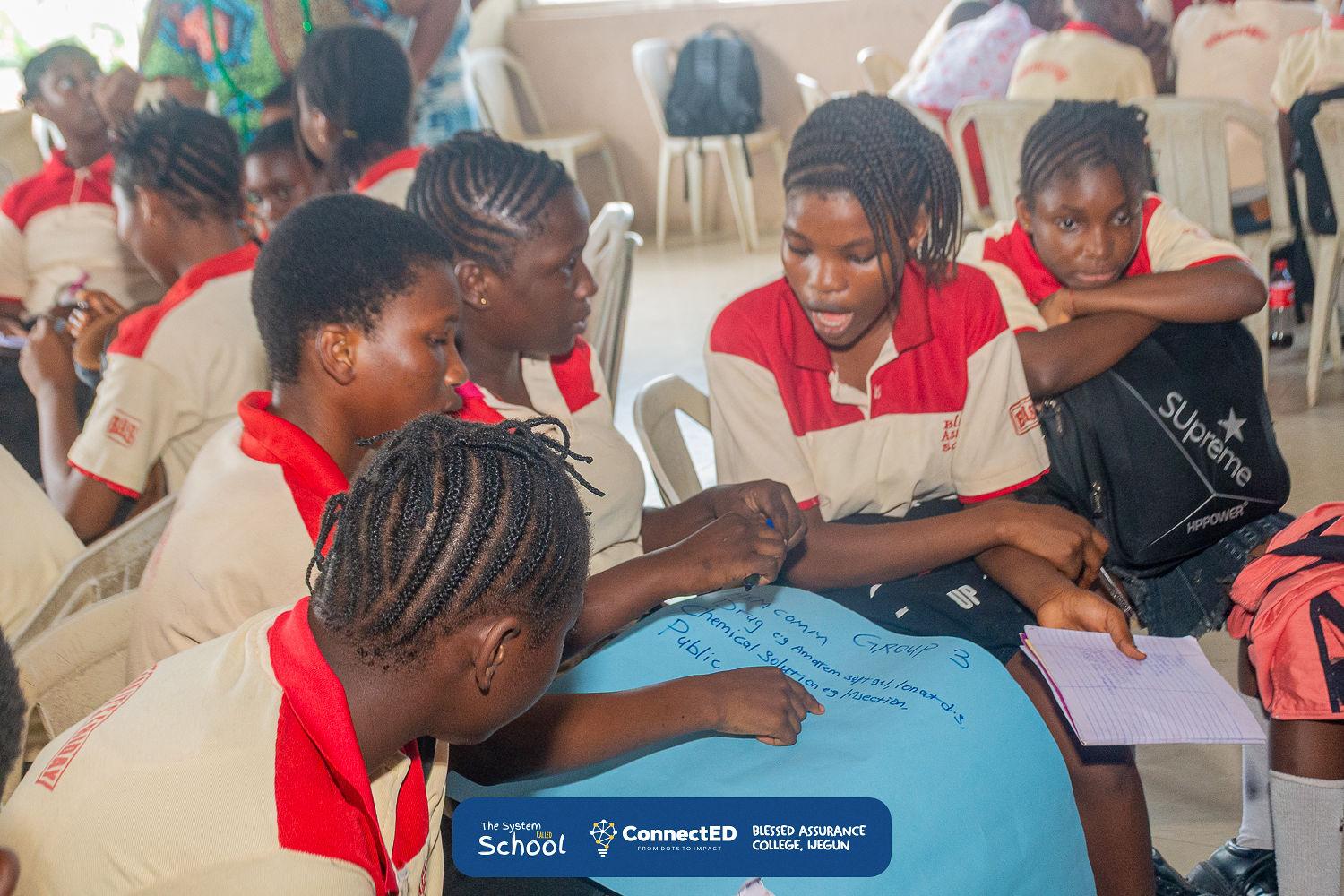
Interdisciplinary teams confront the UN Sustainable Development Goals, merging lenses like Geography and Economics to analyse crises such as malaria as interconnected health, environmental and economic problems.
10
Career System Mapping
Students design a visual ecosystem of their future goals, mapping the required skills, professional networks, resources and trends tied to their dream industries.
What changes for a student
These are the four shifts eleven teachers reported when they reassessed their students ninety days after the pilot — not a list of intentions.
Causal reasoning
Students identify how one action influences another, rather than viewing issues in isolation.
Cross-subject connection
Ideas travel between subjects instead of staying inside the lesson they were taught in.
Real-world application
Classroom topics get related to homes, streets and communities.
Confidence
Teachers reported students becoming more proactive and more open to growth.
Teacher-rated systems-thinking capability across the pilot cohort rose from 51% to 72% over those ninety days — a 21 percentage-point increase. How that was measured, including its limitation
What each side brings
Schools are never asked to print anything or prepare materials.
Your school provides
- Access to participating students
- School hall and power supply
- Media consent
- Teacher participation in evaluation
- School-level coordination
ConnectED provides
- Curriculum
- Facilitation
- Learning activities and materials
- Workshop delivery
- Evaluation and impact documentation
At your school, or with twenty others
Both are free. They are booked differently.
At your school
Bring ConnectED to your school
We come to you with everything: curriculum, facilitators, activities and materials. Your school provides the hall, the power and the students.
- Students
- Up to 100
- Year groups
- SS1–SS3
- Notice needed
- 2 months
- Cost
- Free
One day, twenty schools
The General Workshop 2026
One venue, one day, twenty schools in the same room. Registration is open.
- Date
- 2 October 2026
- Students
- ~250
- Schools
- 20
- Cost
- Free
What teachers said afterwards
Students now apply systems thinking principles to understand challenges or issues within their domain. They even use real-life experiences to explain these concepts based on what they see and hear, turning their surroundings into a practical learning experience. Other schools need this approach because our students were able to demonstrate higher levels of critical and reflective thinking. You are doing a fantastic job. Keep it up!
Tell us about your school
Two months' notice is what we ask for. We reply within 3 working days with dates and what we need from you.
- Students
- Up to 100
- Year groups
- SS1–SS3
- Notice needed
- 2 months
- Cost
- Free
Or join twenty schools on 2 October
The General Workshop 2026 brings around 250 students from twenty schools into one room for the same day. Registration is open.